

The Allure of the Casino: Understanding the Psychological Draw
Casinos are designed to be captivating environments, leveraging a range of psychological principles to keep patrons engaged and encourage continued play. The flashing lights, ambient sounds, and the anticipation of a potential win all contribute to a heightened emotional state. This sensory stimulation can override rational decision-making, making individuals more susceptible to impulsive betting behaviors. The core of this allure lies in the intermittent reinforcement schedule – the unpredictable nature of wins and losses – which is a powerful driver of persistent behavior, akin to how slot machines operate. For those interested in exploring different gaming options, understanding the psychology behind the draw is essential, and some players might find themselves drawn to platforms like casiku casino.
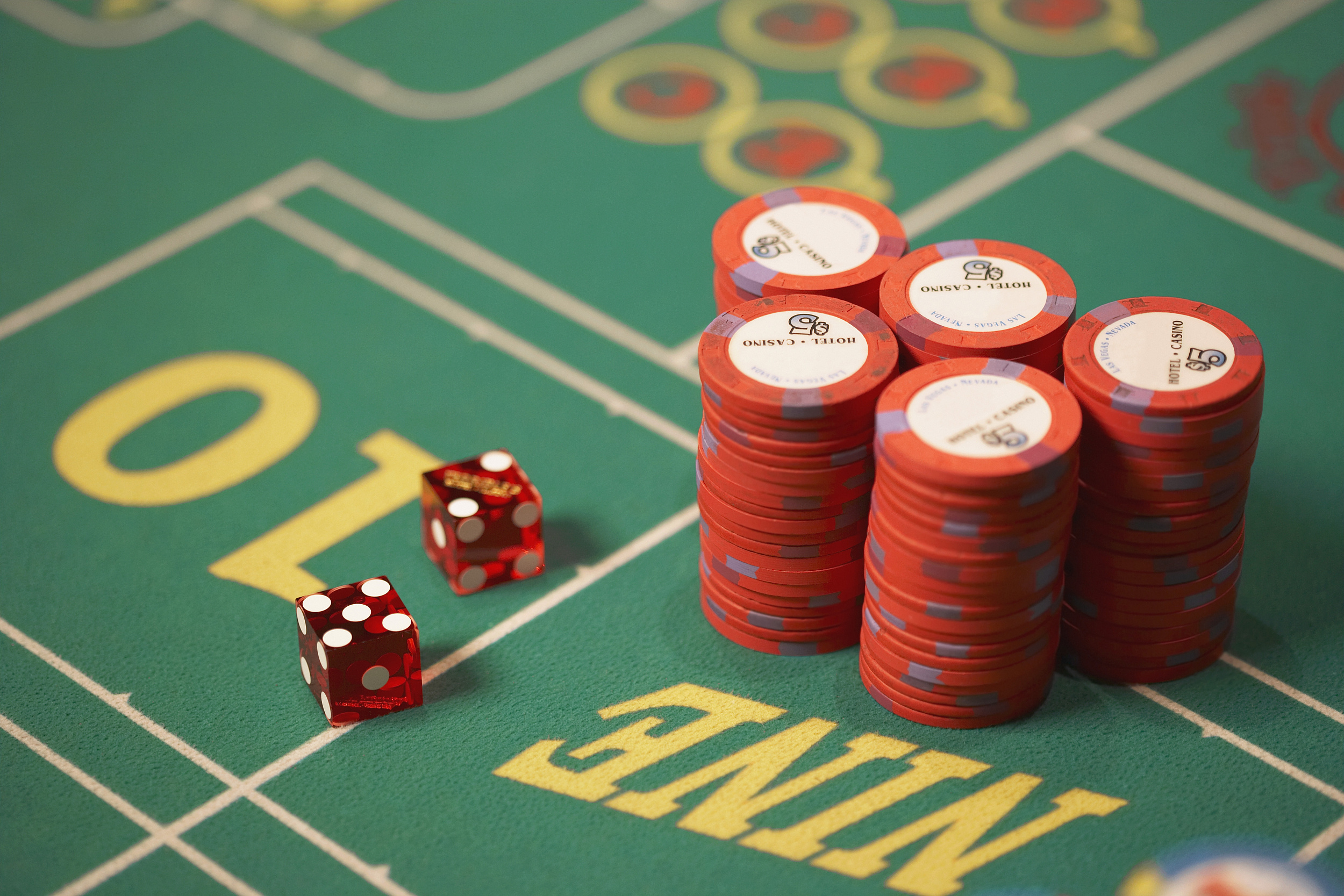
Furthermore, the social atmosphere of many casinos plays a significant role. The presence of other players experiencing wins and losses can create a sense of shared excitement and competition. This can foster a feeling of “being in the moment” and reduce self-awareness of the risks involved. The perceived glamour and escapism associated with casino environments also contribute to their appeal, offering a temporary respite from everyday concerns, which can, in turn, lower inhibitions regarding financial expenditure.
Cognitive Biases Fueling Casino Decisions
Several well-documented cognitive biases significantly influence how individuals approach gambling. The gambler’s fallacy, for instance, is the mistaken belief that if something happens more frequently than normal during a given period, it will happen less frequently in the future, or vice versa. In a casino, a player might believe a roulette wheel is “due” for a certain number after a streak of others, ignoring the independent nature of each spin. This misinterpretation of probability can lead to increasingly risky bets.
Another powerful bias is the illusion of control, where players believe they can influence the outcome of games that are purely based on chance, such as by using specific betting patterns or superstitions. This illusion can lead to a false sense of mastery, making individuals feel more confident in their betting strategies than is statistically warranted. The availability heuristic also plays a role, where the vividness of recent wins (either personal or observed) can overshadow the statistical likelihood of losses, making the perceived rewards seem more attainable.
The Brain on Gambling: Dopamine and Reward Pathways
The human brain’s reward system, particularly the release of dopamine, is deeply implicated in gambling behavior. When a gambler experiences a win, or even the anticipation of one, dopamine is released, creating a pleasurable sensation. This neurochemical response reinforces the behavior, making the individual more likely to repeat the action in pursuit of that rewarding feeling. This can create a powerful feedback loop, where the brain begins to associate gambling with pleasure and reward, even if the net outcome is negative.
Crucially, this dopamine response isn’t solely tied to actual wins. Near misses – coming very close to a win – can also trigger dopamine release, further encouraging continued play by providing a sense of almost succeeding. This neurobiological mechanism explains why many individuals find it difficult to stop gambling, as the brain is actively seeking out the stimulus that triggers these pleasurable sensations, often becoming desensitized to the negative consequences of their actions.
Managing Risk: Strategies for Responsible Casino Engagement
Understanding the psychological underpinnings of casino risks is the first step towards responsible engagement. Setting strict budget limits before entering a casino or starting an online betting session is paramount. This involves deciding on a maximum amount of money that can be lost and sticking to it, regardless of the perceived “hot streaks” or “due” outcomes. It’s also wise to set time limits, as prolonged exposure to the casino environment can amplify psychological vulnerabilities.
Recognizing and actively countering cognitive biases is another vital strategy. This means consciously reminding oneself of the random nature of casino games and the statistical probabilities involved. Avoiding the gambler’s fallacy and understanding that past outcomes have no bearing on future ones can help maintain a more rational perspective. If a player finds themselves consistently chasing losses or experiencing significant distress related to their gambling, seeking professional help is a sign of strength and a crucial step towards managing potential risks.

A Look at Upcoming Casino Resources and Their Psychological Approach
As new platforms emerge to offer casino experiences, their design and operational strategies will undoubtedly be informed by an understanding of player psychology. While the website is still under development, its aim is to provide a valuable resource, suggesting a focus on delivering information and services that acknowledge the psychological elements of gambling. Future iterations will likely highlight responsible gaming practices and provide insights into the mechanics of various casino games, thereby empowering users with knowledge.
The development team is working diligently to create a platform that offers updates and information about upcoming services. This indicates a commitment to building a resource that can cater to players by potentially offering tools or educational content designed to help them understand the psychological nuances of casino risks. By anticipating the needs of their audience, these future services aim to be more than just entertainment, but also a source of informed engagement with casino activities, emphasizing transparency and player well-being.